
Catégorie: le bonheur
(mini) récolte
Mini récolte du jour, mini tomates et okras.

récolte du jardin tomate et ocra
L’apiculteur – suite
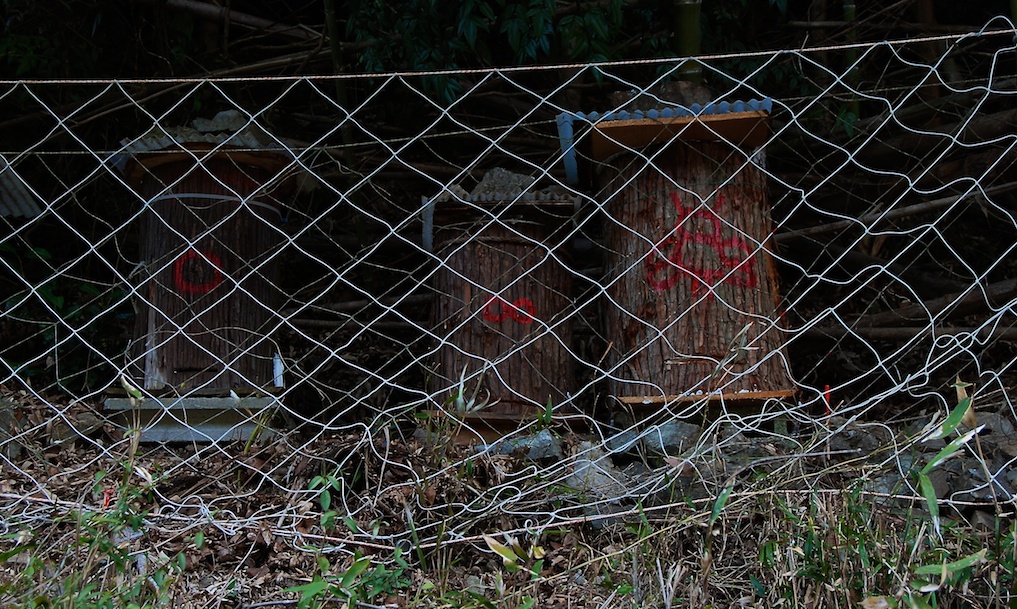
Il y a quelque temps nous parlions des ruches qui balisent les côtés des chemins et sur lesquelles l’apiculteur fait de jolis dessins pour inviter les essaims.
L’apiculteur en question, c’est K., notre voisin et ami. Une personne de grande qualité, beaucoup de talent et de curiosité pour tout.
Aujourd’hui il passe chez nous nous offrir une bouteille de whisky Suntory .. emplie du miel qu’il a récolté.

Miel
10 règles pour la longévité
Notre bon ami, charpentier, restaure une vielle maison dans le village.
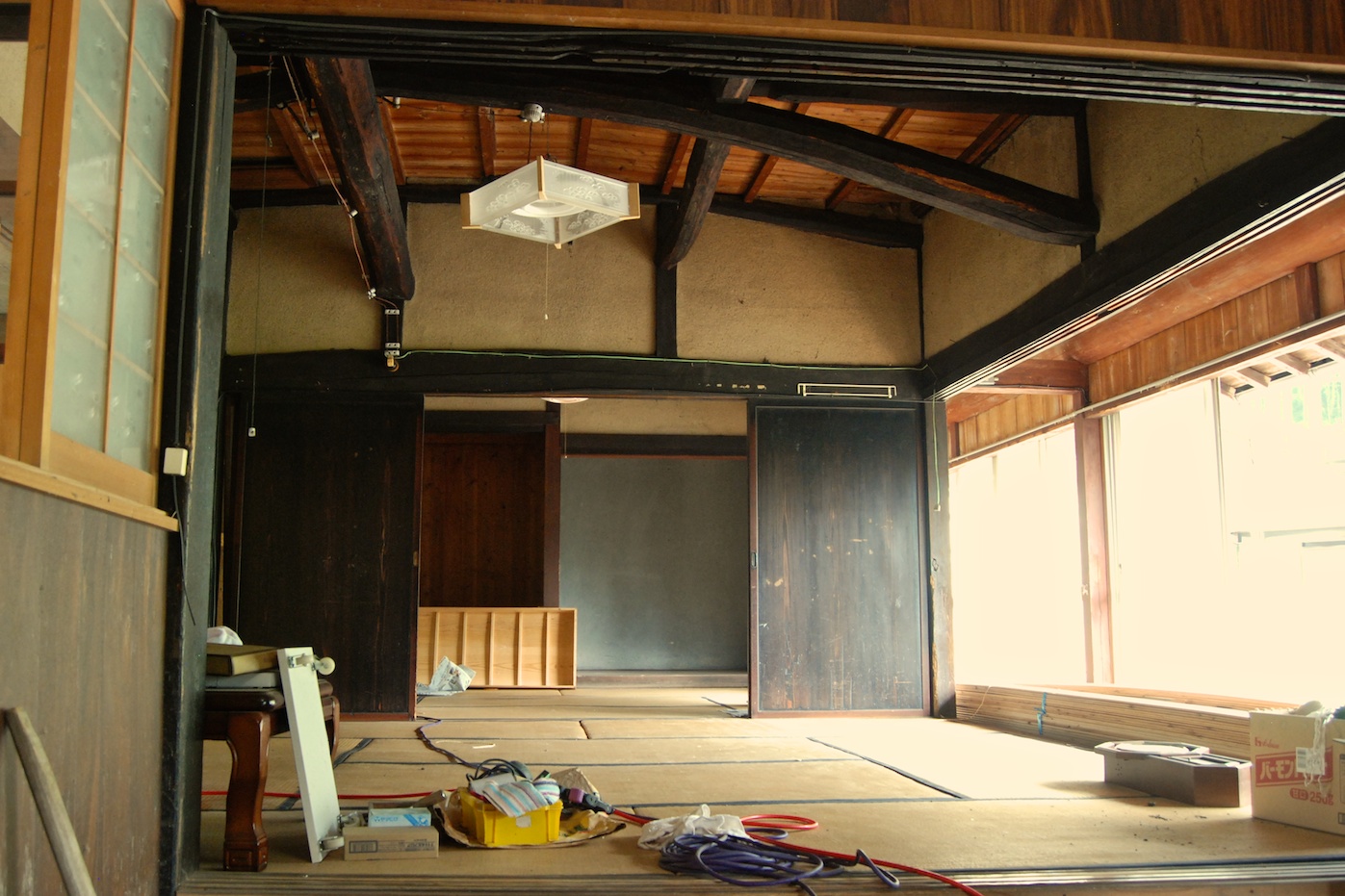
Je vais le voir; on discute pendant la pause. Il fait encore chaud aujourd’hui. C’est une belle maison, au toit de chaume; recouvert de tôles peintes en noir.
On ne fait plus de maison comme ça !
L’arrangement de la maison est très simple. Les gens qui viendront vivre ici seront heureux. La simplicité de la maison, faite de bois; de paille et de terre, inspirera le bonheur de vivre à ses prochains habitants. On ne peut qu’être super zen dans une telle maison ! Car même à l’intérieur, on n’est pas renfermé … Même sous le toit … on est sous le ciel …
D’ailleurs …. quelle étrange coïncidence .. bonheur et simplicité ?
Sur un mur, un poster jauni par les années prodigue des conseils pour s’assurer une bonne santé et vivre bien et longtemps.
Les dix règles pour la longévité.
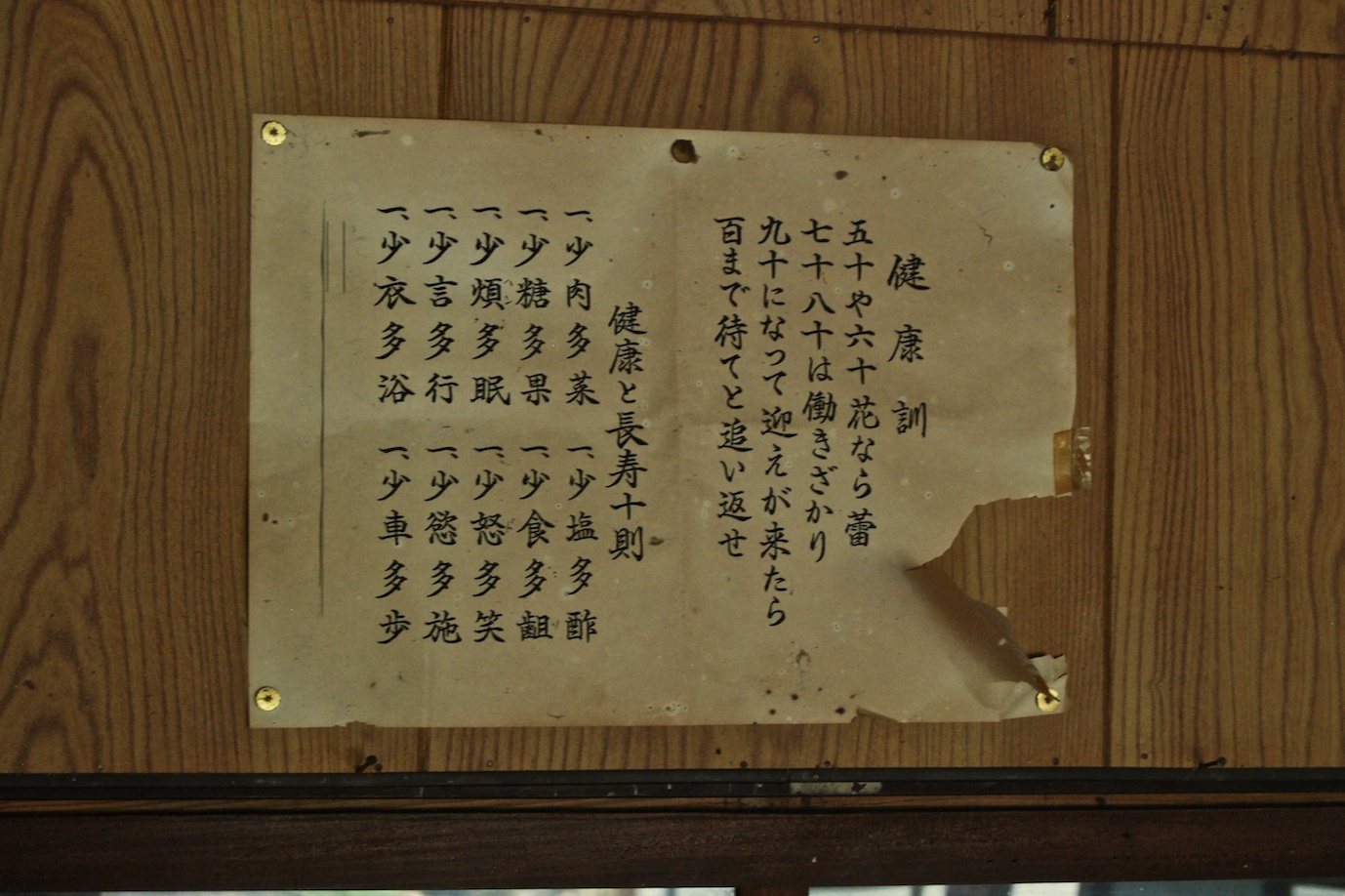
Traduction;
La cinquantaine et la soixantaine; si c’est une fleur c’est un bourgeon
Soixante-dix et quatre-vingt, c’est l’âge du travail
Et si à quatre-vingt dix on vient te chercher,
dis leur d’attendre jusqu’à ce que tu aies cent
Les dix principes de la santé et de la longévité
Peu de viande; beaucoup de légumes
Peu de sucre, beaucoup de fruits
Peu d’excitation; beaucoup de sommeil
Peu de soucis, beaucoup d’action
Peu de vêtements chauds, beaucoup de bains
Peu de sel, beaucoup de vinaigre
Manger peu, mastiquer beaucoup
Peu de colère, beaucoup de rire
Peu d’égo, beaucoup d’aide
Peu de voiture, beaucoup de marche
Voilà. Tout est dit, non ?
Faire son thé (2)
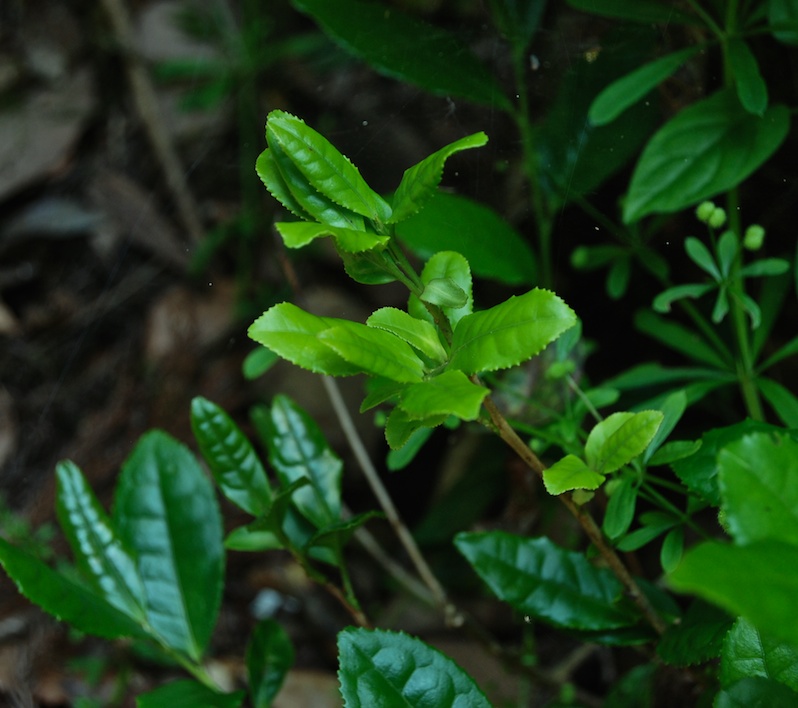
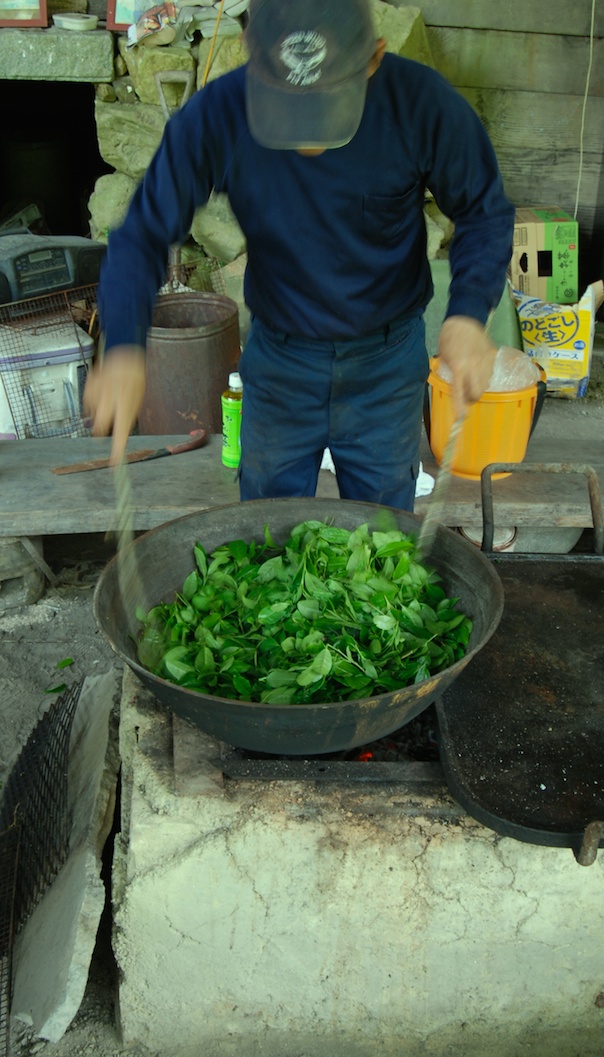
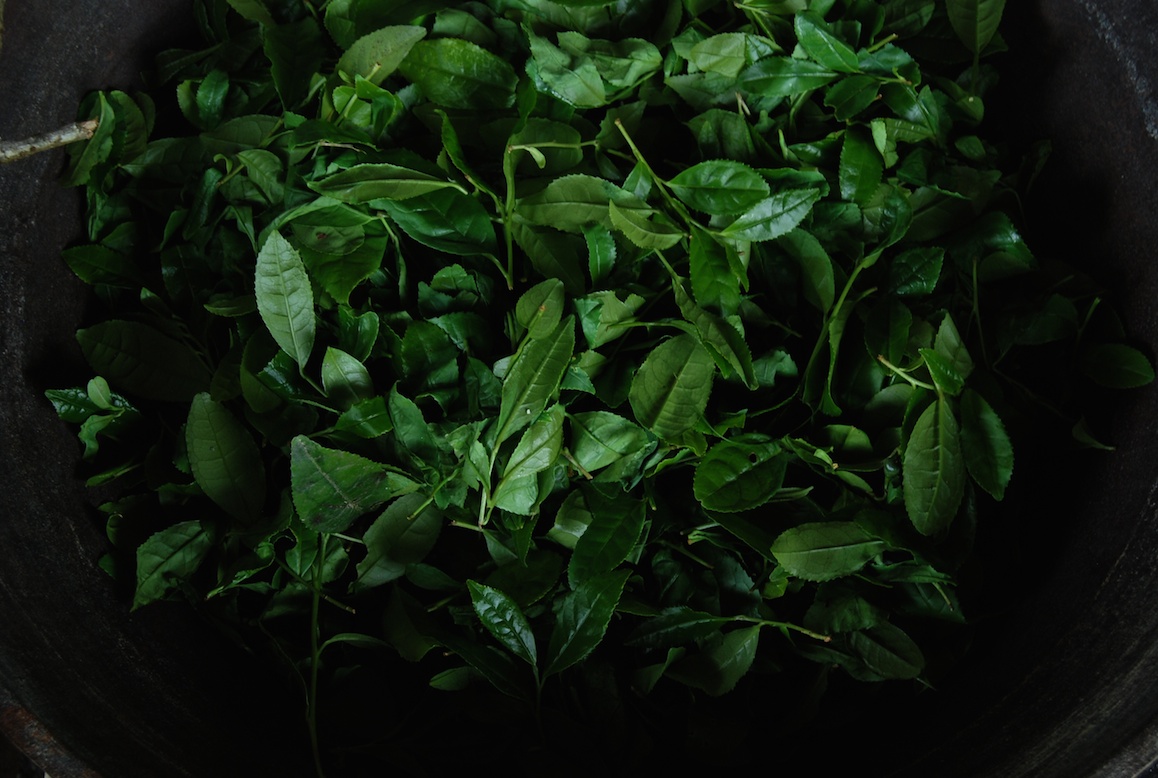
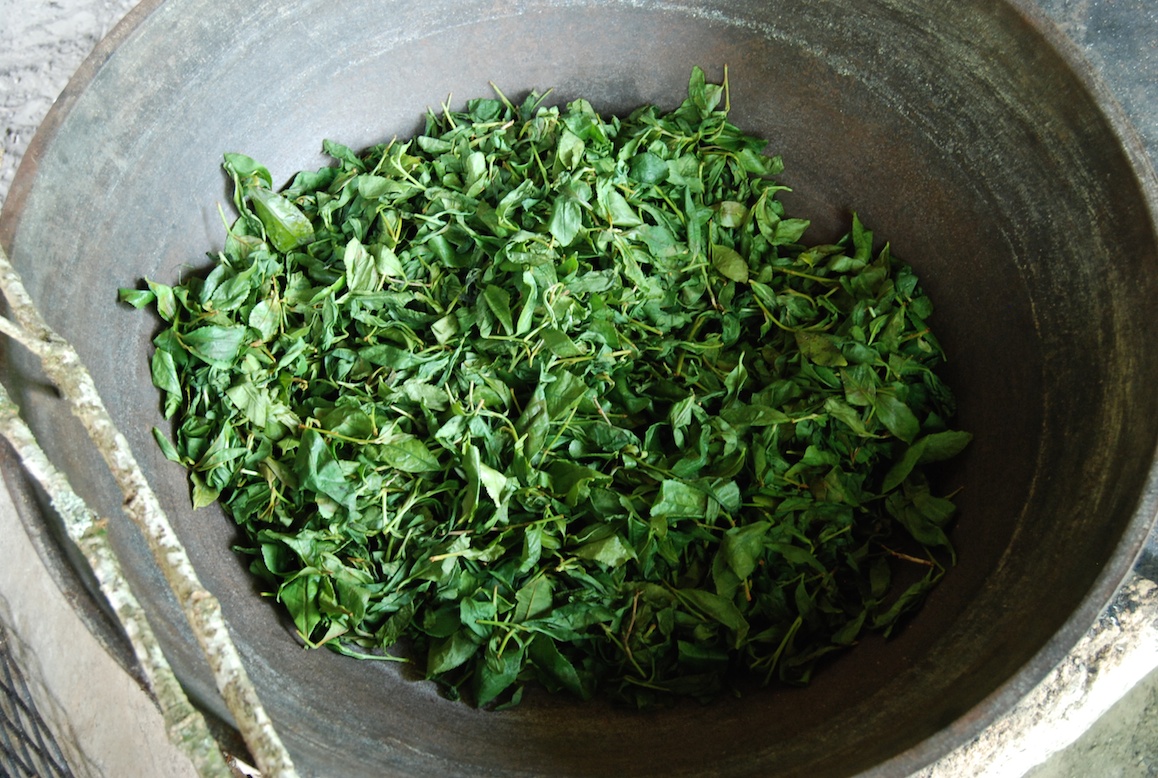
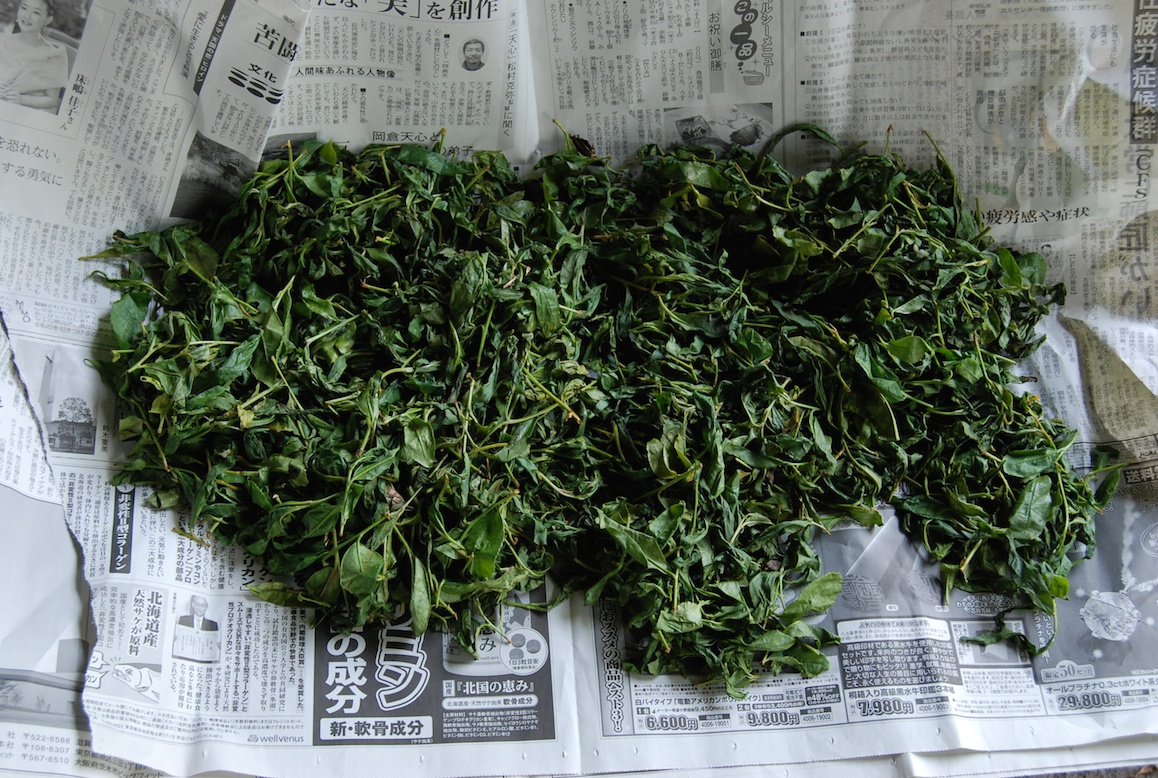
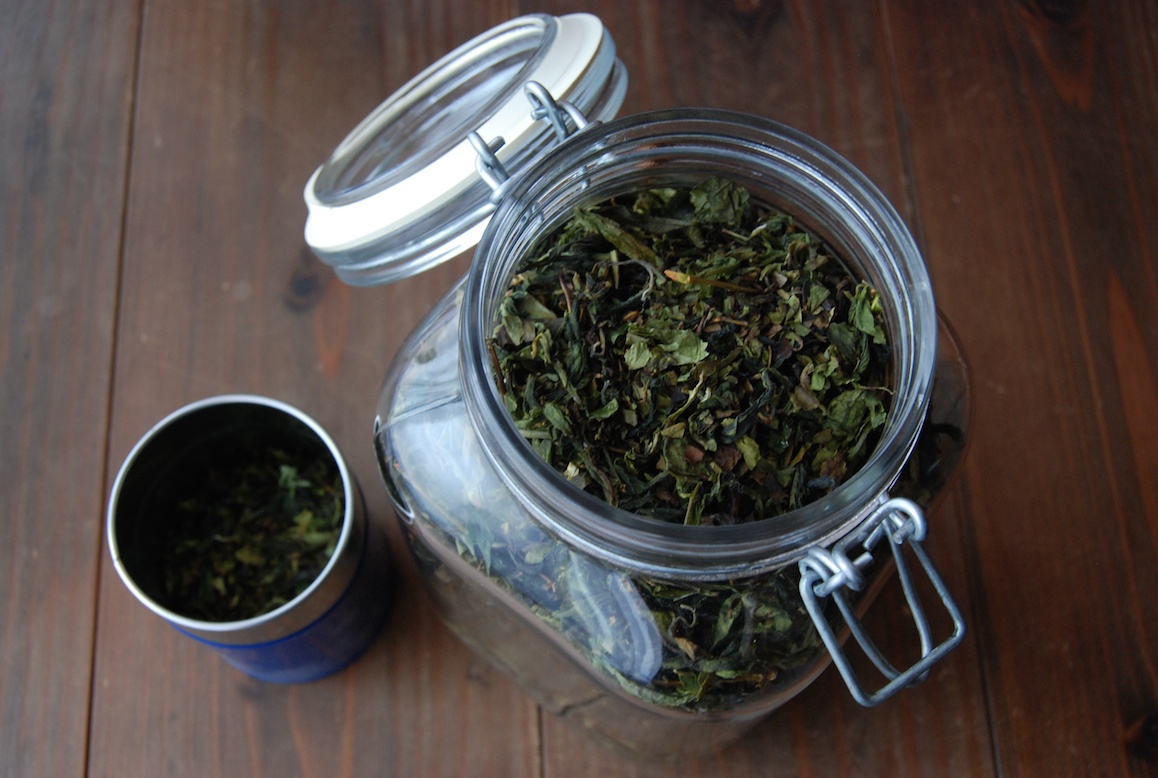
En complément de l’article écrit hier, sur le thé que nous avons récolté dans les montagnes.

Faire son thé
C’est déjà un peu tard pour la saison. Plus tôt dans le printemps, lorsque les jeunes pousses apparaissent est le meilleur moment.


Sous le soleil
Exactement, sous le soleil, un gecko se réchauffe devant l’entrée de la maison.

The Good Life
- ISBN-10: 0805209700
- ISBN-13: 978-0805209709
- http://www.amazon.fr/dp/0805209700
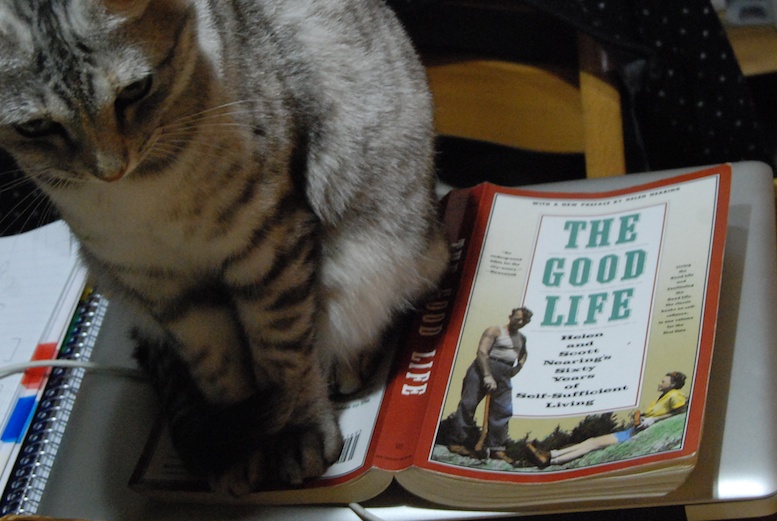
- p.5 We left the city with three objectives in mind
- p.31 We would attempt to carry on this self-subsistent economy by the following steps: (1) raising as much of our own food as local soil and climatic conditions would permit. (2) Bartening our products for those which we could not or did not produce. (3) Using wood for fuel and cutting it ourselves. (4) Putting up our own buildings with stone and wood from the place, doing the work ourselves. (5) Making such implements as sleds, drays, stone=boats, gravel screens, ladders. (6) Holding down to the barest minimum the number of implements, tools, gadgets and machines which we might buy from the assembly lines of big business (7) If we had to have such machines for a few hours or days in a year *plough, tractor, rototiller, bulldozer, chainsaw), we would rent or trade them for local people instead of buying and owning them.
- p.32 Ideas of « making money » or « getting rich » have given people a perverted view of economic principles. The object of economic effort is not money, but livelihood. Money can not feed, clothe or shelter. Money is a medium of exchange,-a means of securing the items that make up livelihood. It is the necessaries and the decencies which are important, not the money which may be exchanged for them.
- p.33 Under any economy, people who rent out money live on easy street. Whether as individuals or banking establishments, they lend money, take security and live on a rich harvest of interest and the proceeds of forced sales. The money lenders are able to enjoy comfort and luxury, without doing any productive labor. It is the borrowing producers who pay the interest or lose their property. Farmers and home owners by the thousands lost everything they had during the Great Depression because they could not meet interest payments. We decided to buy for cash or not at all.
- p.35 We believe that all life is to be respected -non human as well as human. Therefore, for sport we neither hunt nor fish, nor do we feed on animals. Furthermore, we prefer, in our respect for life, not to enslave or exploit our fellow creatures. Widespread and unwarranted exploitation of domestic animals includes robbing them of their milk or their eggs as well as harnessing them to labor for man. Domestic animals, whether cows, horses, goats, chicken, dogs or cats are slaves. Humans have the power of life or death overt them. Men buy them, own them, sell them, work them, abuse and torture them and have no compunctions against killing and eating them. They compel animals to serve them in multitudinous ways. If the animals resist, rebel or grow old, they are sent to the butcher or else are shot out of hand.
- p.91 The keystone of our economy was our food supply. As food costs are the largest single item in the budget of low income families, if we could raise most of our food instead of buying it on the market, we could make a substantial reduction in our cash outlay and in our required cash income. (…) This decision brought us face to face with three stubborn facts, the Vermont climate, the pitch of the land, and the depleted soil.
- p.121 most of the food consumed by human beings comes directly from the upper few inches of top soil. A whole soil is one that contains the ingredients necessary to produce sturdy healthy vegetation of the required variety and species. Different plants have different nutritional needs and offer various combinations of minerals, vitamins and enzymes to the animals and humans who consume them. Soil wholeness may be upset by erosion, by cropping, by improper fertilizers. Until the solid balance is restored, the products of an unbalanced soil will be unbalanced vegetation. If such vegetation is consumed, it may transfer its unbalance to the user, causing a person who eats « good food » by ordinary standards, to be far from well.
- p.122 Good food should be grown on the whole soil, be eaten whole, unprocessed and garden fresh. Even the best products of the best soils lose more or less of their nutritive value if they are processed. Any modification at all is likely to reduce the nutritive value of a whole food. Peeling tomatoes, scrapping carrots, milling wheat, cooking green peas, removes essential partis of the food, causes chemical changes, or drives off vitamins.
- p.142 We were looking for a kindly, decent, clean and simple way of life. Long ago we decided to live in the vegetarian way, without killing or eating animals; and lately we have largely ceased to use dairy products and have allied ourselves with the vegans, who use and eat no animal products, butter, cheese eggs or milk. This is all in line with our philosophy of the least harm to the least number and the greatest good to the greatest number of life forms.
- p.144 Apply to vegetables and fruit the principles of wholeness, rawness, garden freshness, and one or few things at a meal, and you have the theory of our simple diet. In practice, the theory gave us a formulated regime, fruit for breakfast, soup and cereal for lunch, salad and vegetables for supper. (…) We often had a one-day exclusive apple diet to revivify and cleanse the system. (…) Gourmets amongst us dipped whole bananas in honey and then in wheatgerm. Quarter sections of apples were dipped the same way, or spread with peanut butter. Nuts were often cracked and eaten with the apples. Berries were served with maple syrup or honey, or eaten dry. Breakfast was rounded up by a handful of sunflower seeds, herb tea sweetened with honey, or a tablespoon of blackstrap molasses in hot water.
- p.145 We have gone for months at a time with no breakfast at all and maintained health and suffered no discomfort though carrying on a full program of work. For ten years we have eaten fruit for our first meal of the day, and yet put in four solid hours of hard physical or mental work until lunch. We felt better, worked better and lived better on it than after a stuffy starch, protein-rich breakfast.
- p.148 All of our meals were eaten at wooden plank table, in wooden bowls, the same bowl right through the meal. This practically eliminated the dish washing problem. With no sauces, no frying and the like, there were few dishes to wash and pans to scrub. (…) We also felt than wooden eating utensils were more neutral and modified the flavor less than the metallic table tools.
- p.151 Livelihood is the central core around which most people build their lives. (…) The majority of human beings, notably in industrial communities, dedicate their best hours in their best years to getting an income and exchanging it for the necessaries and decencies of physical and social existence. Children, old people, the crippled, the sick, the voluntarily parasitic are at least partially freed from livelihood preoccupations. Able bodied adults have little choice. They must meet the demands of livelihood or pay a heavy penalty in social disapproval, insecurity, anxiety and finally in physical hardship.
- p.153 Thoreau said on cutting one’s own fuel: » It warms us twice, and the first warmth is the most wholesome and memorable, compared with which the other is mere coke… The greatest value is received before the wood is teamed home. »
- p.154 Our purpose (…) was not to multiply food, housing, fuel and the other necessaries, but to get only enough of these things to meet the requirements of a living standard that would maintain our physical efficiency and at the same time provide us with no end in itself; rather it was a vestibule into an abundant and rewarding life. Therefore we produced the necessaries only to a point which would provide for efficiency. When we reached that point we turned our attention and energies from bread labor to avocations or to social pursuits.
- p.155 Mark Twain: Civilization is a limitless multiplication of unneccessary necessaries. A market seeks by ballyhoo to bamboozle consumers into buying things they neither or want, thus compelling them to sell their labor power as a means of paying for their purchases. Since our aim was liberation from the exploitation accompanying the sale of labor power, we were as wary of market lures as a wise mouse is wary of other traps.
- p.158 City dwellers, accustomed to a wide variety of services, get to a point at which they believe that the essential questions of day to day living can be settled by arrangement, chiefly over a telephone. A customer with a ten dollar bill can get wonderful results in a department store. But put the same person in the backwoods with a problem to be solved and an inadequate supply of materials and tools. There money is useless, Instead, ingenuity, skill, patience and persistence are the coin current. The store customer, who comes home with a package under his arm has learned nothing, except that a ten dollar bill is a source of power in the market place. The man or woman who has converted material into needed products via tools and skills has matured in the process.
- p.159 William Cooper « It is not large funds that are wanted, but a constant supply, like a small stream that never dies. To have a great capital is not so necessary as to know how to manage a small one and never be without a little. »
- p.192 We are opposed to the theories of a competitive, acquisitive, aggressive, war-making social order, which butchers for food and murders for sport and for power. The closer we have to come to this social order the more completely are we a part of it. Since we reject it in theory, we should , as far as possible, reject it also in practice. On no other basis can theory and practice be unified. At the same time, and to the utmost extent, we should live as decently, kindly, justly, orderly and efficiently as possible. Human beings, under any set of circumstances, can behave well or badly. Whatever the circumstances, it is better to love, create and construct than to hate, undermine and destroy, or, what may be even worse at times, ignore and lassoer passer.
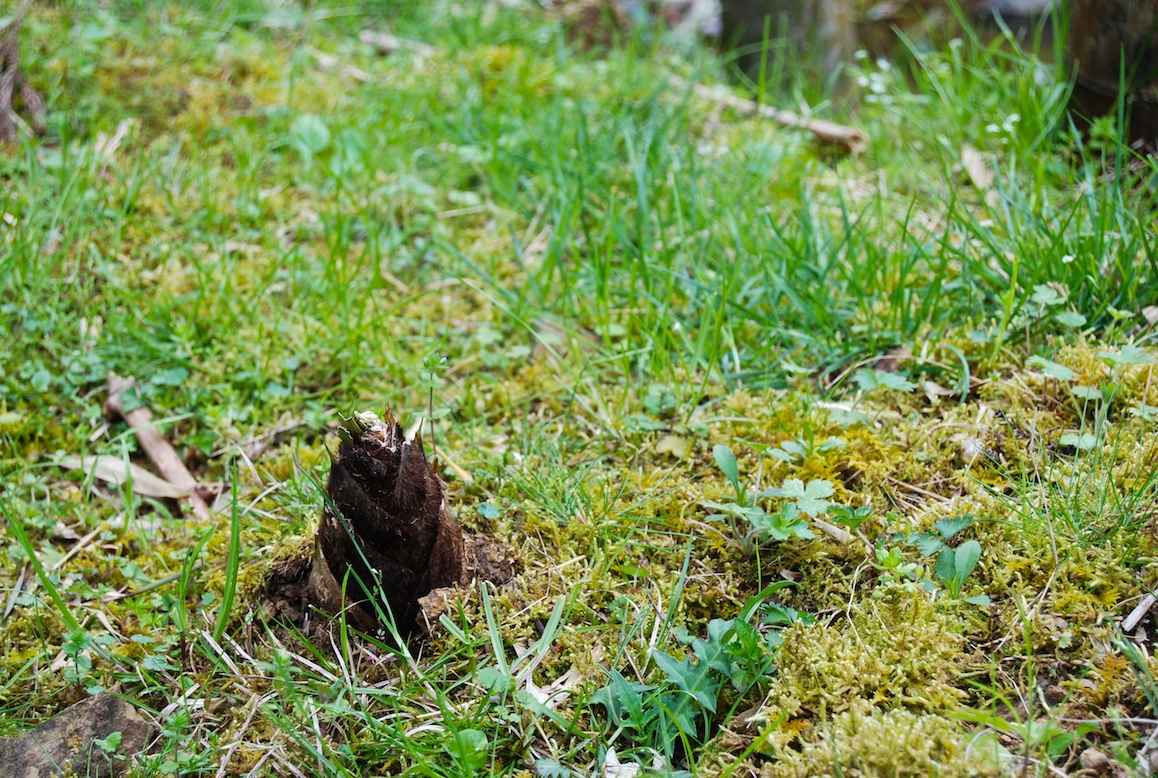
Pousses de bambou
Les pousses de bambou … poussent.
Pattes griffues d’ours qui ont passé l’hiver sous terre, et qui veulent sortir voir le soleil. Ils grattent par en dessous… sans faire de bruit.


L’histoire de Hiroshi et de Minou
H. « Dis, j’ai un problème …. est-ce-que tu pourrais m’aider ? »S. « Quoi? Tu as besoin d’argent ?? »H. « Non, … c’est un petit chaton abandonné, je cherche quelqu’un qui puisse le prendre chez lui et s’en occuper, car je ne peux pas le prendre chez moi … »S. « Ah … Je vois ! Laisse-moi réfléchir »


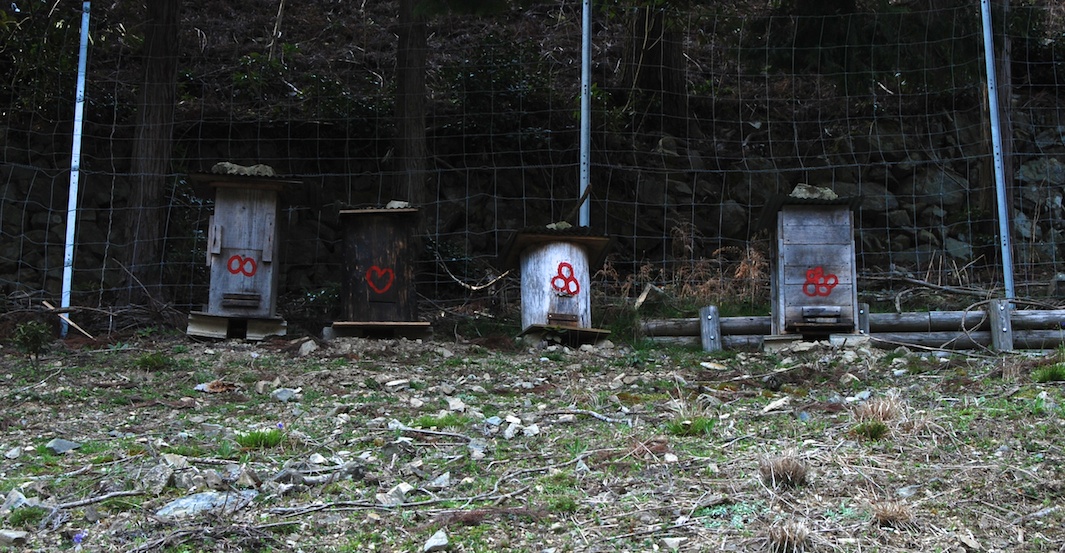
Les Apiculteurs
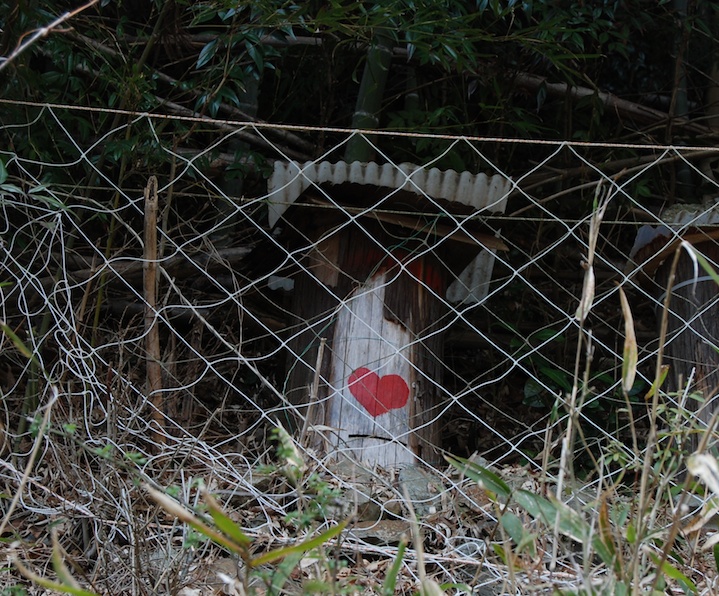
Le promeneur remarquera sur les ruches disposées ça et là au bord de la route du village, des signes rouges.


Vous devez être connecté pour poster un commentaire.